Orphaned Oil & Gas Well Plugging: A Guide to Quality
Executive Summary
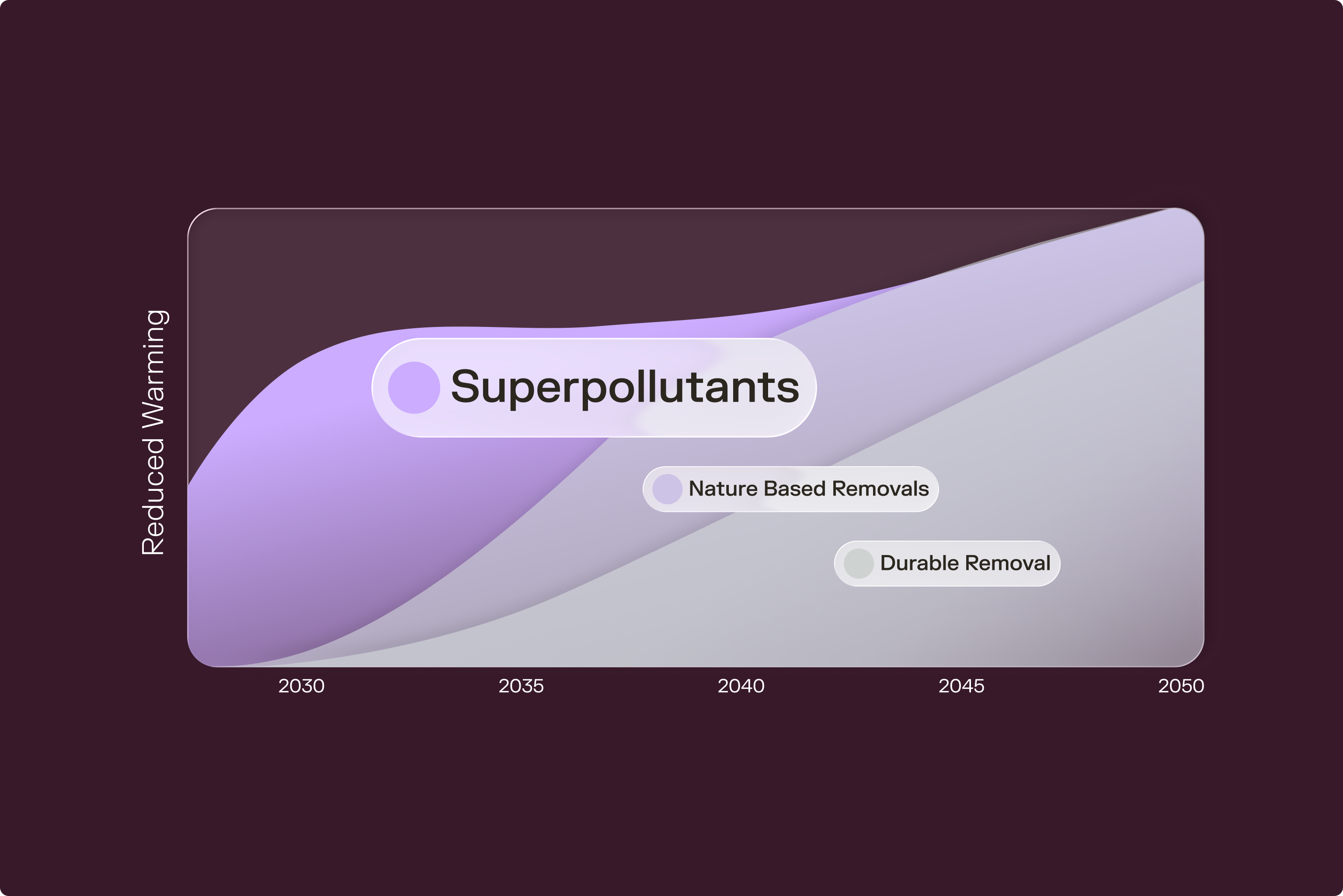
Carbon credit markets have long been dominated by CO₂. Yet superpollutants, which comprise the most potent global warming gases, have received a fraction of the commercial attention their warming contribution warrants. In recent years, methane emissions have finally received significant regulatory attention through, for example, the implementation of the EU Methane Regulation, the US Clean Air Act, and the Global Methane Pledge (Launched at COP26). Commercially, orphaned oil and gas well (OOGW) plugging represents a popular route into the methane abatement market - the narrative for the credit is compelling. However, substantial reform is needed to ensure that this project type delivers the level of environmental integrity expected of high-quality, additional carbon credits.
Orphaned oil and gas wells represent a large and under-addressed source of methane emissions in the United States. According to the IOGCC, 29 responding states reported 141,959 documented orphan wells as of December 31, 2023, while state estimates suggest a further 250,000 to 740,000 undocumented orphan wells. Because these wells have no solvent operator responsible for plugging them, and public programs remain insufficient relative to the scale of the problem, credit-financed plugging can provide a near-term mechanism for directing private capital toward permanent methane abatement.

August 19, 2026
.jpg)
.png)